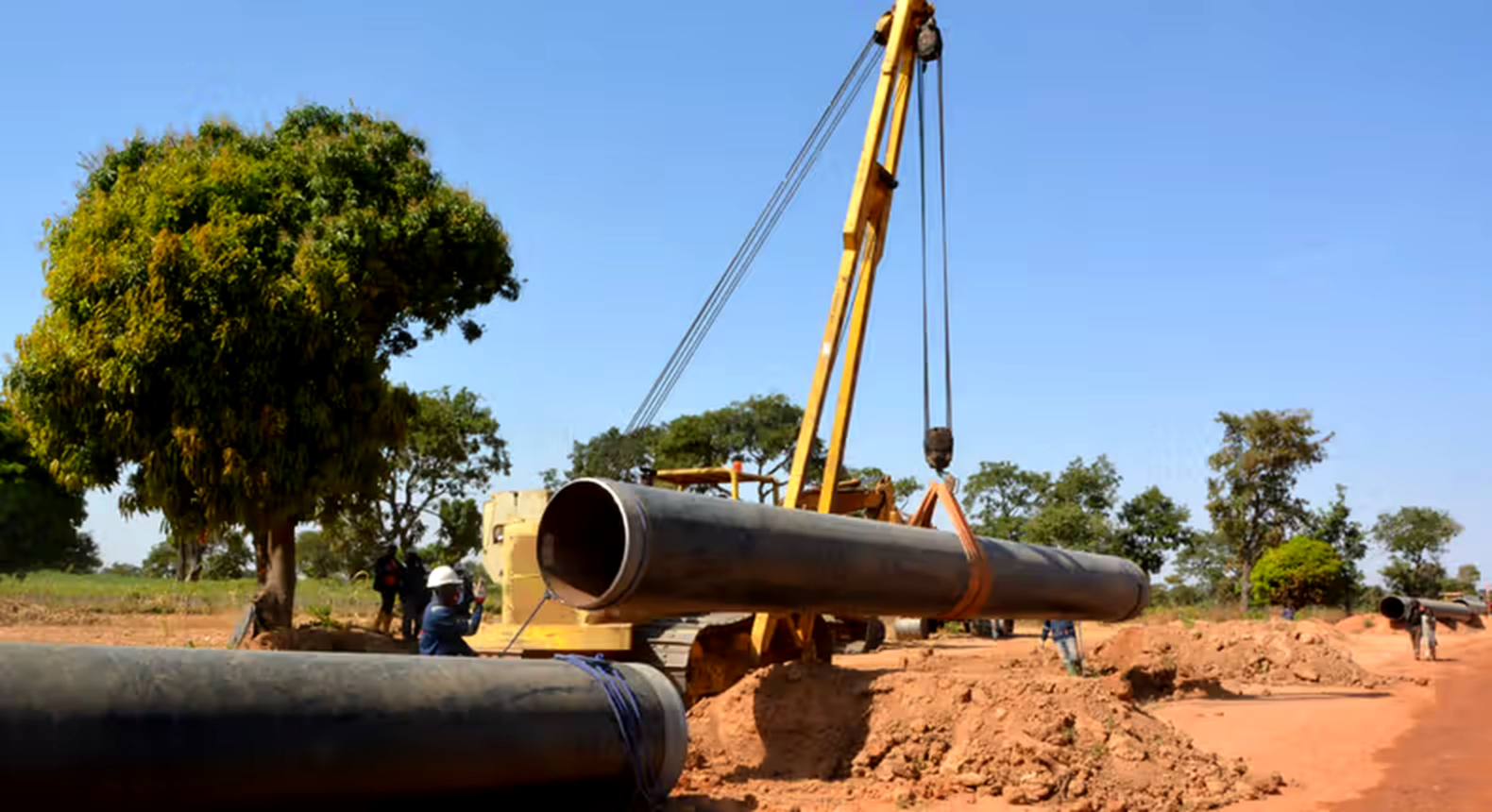
Nigeria may begin delivering natural gas to Abuja by July through the long-delayed Ajaokuta–Kaduna–Kano (AKK) pipeline, according to the Nigerian Upstream Petroleum Regulatory Commission. The 614-kilometre pipeline is designed to transport over 2.2 billion cubic feet of gas per day, supporting power generation, industrial growth, and reduced reliance on diesel across northern Nigeria.
The $2.8 billion project, first conceived in 2008, has faced repeated delays due to funding constraints and technical challenges, including the complex River Niger crossing. Construction began in 2020, with gas supply expected to originate from southern fields via the OB3 pipeline, forming a critical link in Nigeria’s gas infrastructure network.
The AKK pipeline is central to Nigeria’s gas-led development strategy, given the country’s vast reserves of over 210 trillion cubic feet. Its completion aligns with the Gas Master Plan 2026 and the government’s decade of gas programme, aimed at boosting industrialisation, improving energy security, and enhancing value creation in the sector.