Nigeria requires an estimated $23 billion to expand electricity access to underserved and unserved communities nationwide, according to Abba Aliyu, Managing Director of the Rural Electrification Agency. Speaking in Abuja during the launch of the Greening of the UN House solar project, Aliyu said a nationwide mapping exercise identified about 143,000 communities with varying levels of electricity access. The analysis showed that the $23 billion investment represents the least-cost pathway to strengthening supply in underserved areas and connecting communities without power.
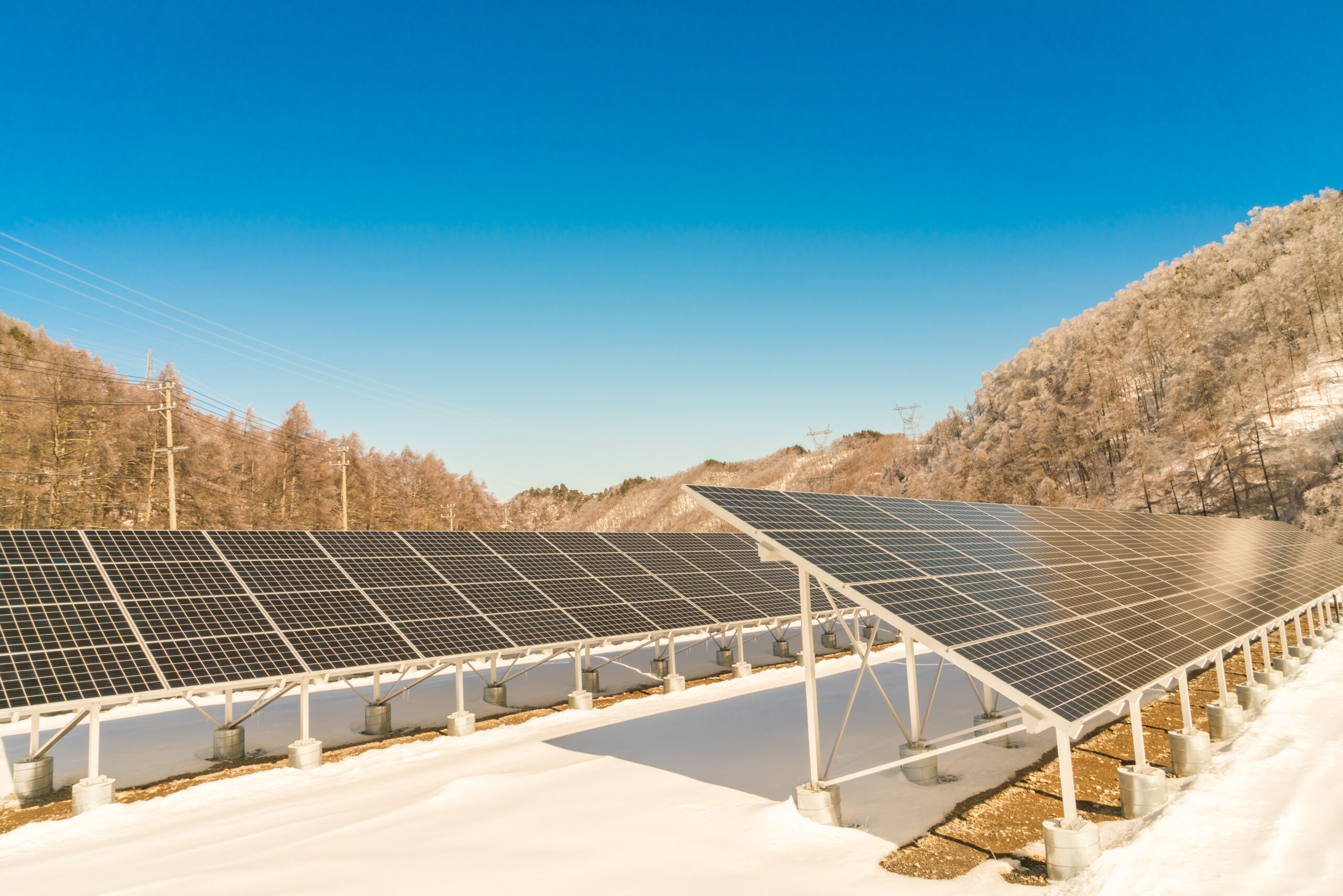
The solarisation project at the UN complex features a 400-kilowatt peak solar microgrid expandable to 700 kilowatts, supported by lithium-ion battery storage. According to Mohammed Fall, the UN Resident and Humanitarian Coordinator in Nigeria, the installation will cut electricity costs by about 40 percent annually while reducing grid consumption and carbon emissions.
Former President of the National Industrial Court of Nigeria, Babatunde Adejumo, described electricity shortages as Nigeria’s most pressing development challenge. He noted that productivity, healthcare, education and private sector growth depend on stable power supply. The REA said the government is implementing a $750 million renewable electrification programme expected to attract $1.1 billion in private investment and deploy over 1,300 mini grids nationwide.