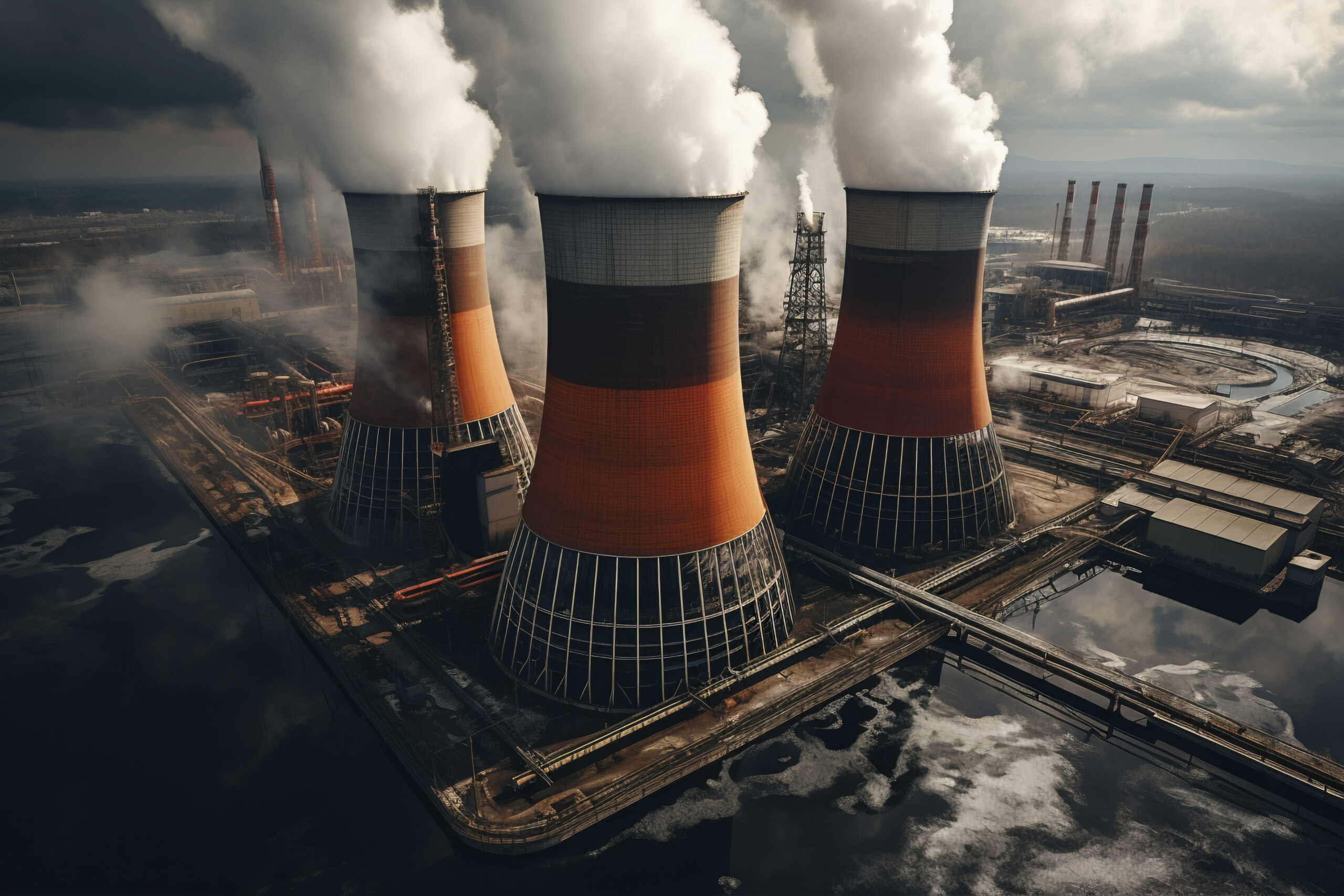
Japanese authorities have officially approved the restart of the Kashiwazaki-Kariwa nuclear power plant, the world’s largest, after more than a decade of dormancy following the Fukushima disaster. This pivotal decision marks a significant shift as Japan aims to reduce its reliance on fossil fuels. Tokyo Electric Power Company (TEPCO) plans to bring the No. 6 reactor back online by January 20, with further reactors expected to follow suit in the coming months.
The Niigata prefectural assembly, home to the plant, passed a bill on Monday supporting the restart despite local concerns about safety. TEPCO, which also operated the Fukushima Daiichi plant during the 2011 nuclear disaster, has committed to ensuring that such an incident never occurs again, with improvements in safety measures, including upgraded seawalls and enhanced filtration systems.
Japan’s energy strategy now looks to nuclear energy as a key component of its future. With a goal to achieve net-zero emissions by 2050, the country aims to increase its nuclear energy share to 20% by 2040, alongside expanding renewable energy sources like solar and wind. However, the public remains cautious, with surveys indicating substantial concerns over safety and TEPCO’s role in managing the plant.