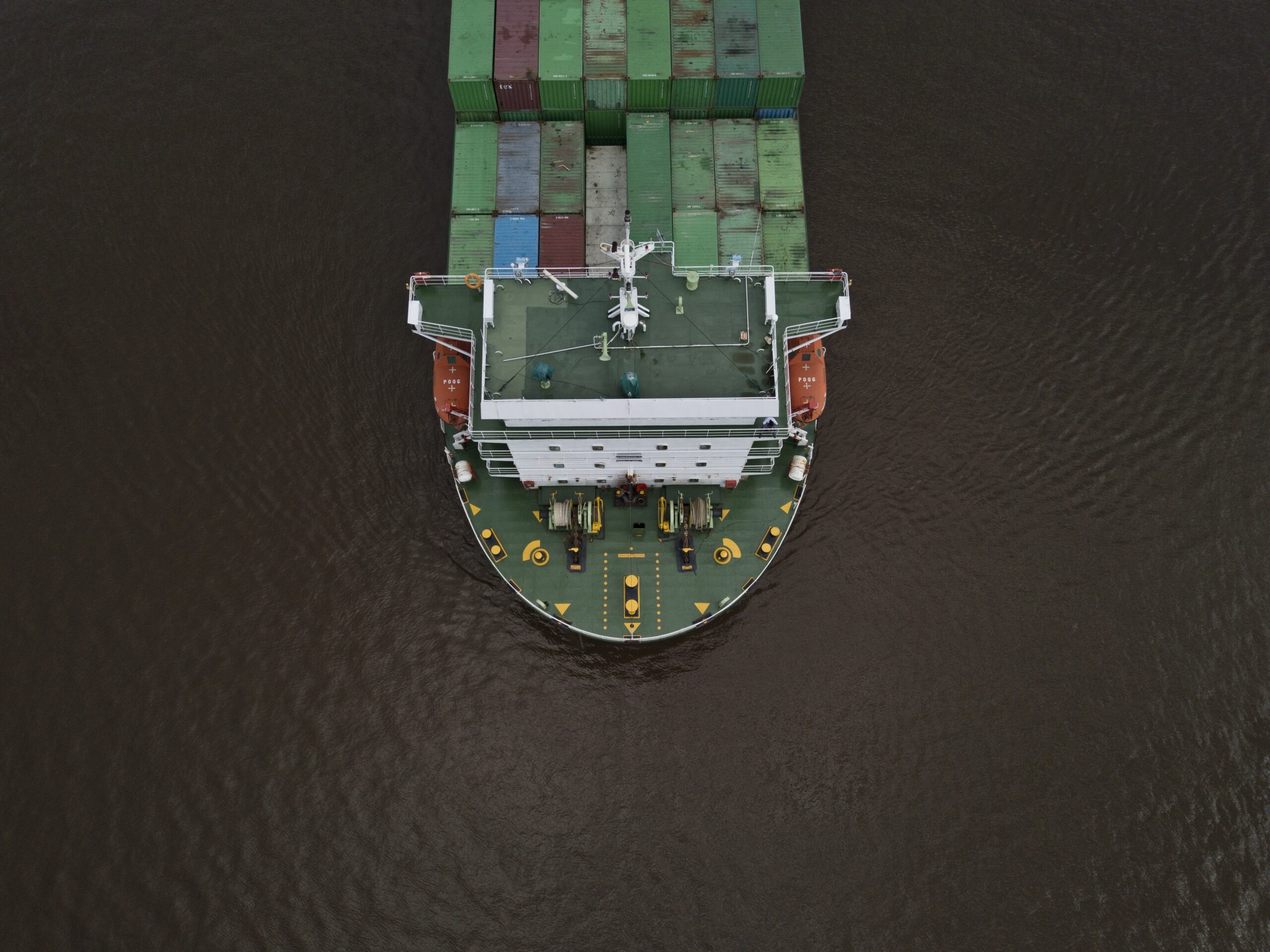
Nigeria’s ambition to become the leading maritime hub for West and Central Africa is faltering, with seven proposed deep-seaports stalled due to insufficient investment. The country needs an estimated $14 billion in foreign capital to complete these projects, but investors remain hesitant due to concerns about weak hinterland connectivity and the lack of guaranteed cargo. Despite the operational Lekki Deep Seaport, other projects such as Badagry, Ibom, and Bonny remain uncompleted. These delays come as neighbouring ports in Ghana, Togo, and Benin successfully handle mega-ships that Nigeria’s facilities cannot accommodate.
A lack of investment, compounded by weak port governance and inefficient infrastructure, has exacerbated the situation. The failure to generate consistent cargo volumes, as highlighted by industry experts, has diverted Nigeria’s maritime trade to neighbouring countries. The Badagry Deep Seaport, for instance, has been stalled for nearly 60 years, with funding needs pegged at $3.7 billion, an amount that is beyond the reach of local banks or government financing.
Experts call for a prioritisation matrix to streamline port development and ensure efficient use of resources. They suggest converting some proposed deep-seaport sites into floating ship repair yards, bunkering facilities, and offshore logistics hubs to promote private investment and reduce the capital burden on the government. The focus, they argue, should shift to enhancing the efficiency of existing ports, like the Lekki Deep Seaport, to attract more cargo and foreign investment before expanding further.