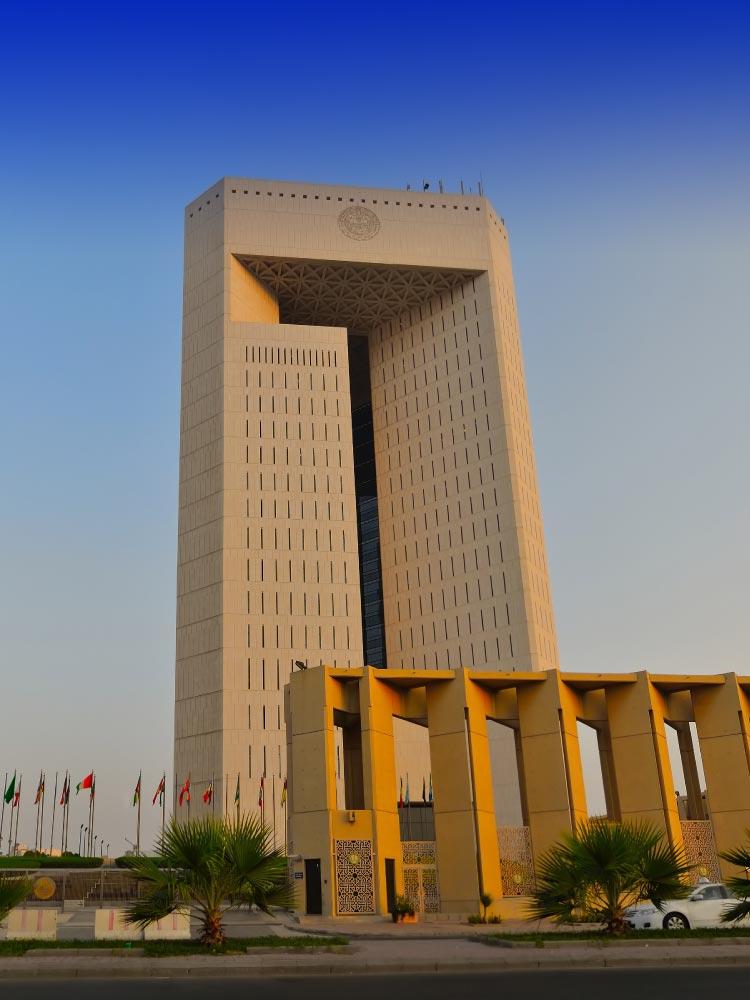
Nigeria’s Minister of Finance, Wale Edun, has revealed that the country faces a $14 billion annual infrastructure investment gap, prompting a renewed push for both domestic and foreign capital. Speaking at the signing of a 2026–2028 partnership agreement with the Islamic Development Bank (IsDB) in Lagos, Edun emphasised the need for strategic collaborations to accelerate large-scale development projects.
The partnership will support investments across key sectors including roads, rail, ports, energy, agriculture, and digital infrastructure, alongside human capital development in health and education. The initiative aligns with Nigeria’s broader reform agenda, which prioritises private sector-led growth, innovative financing, and the use of instruments such as Sukuk and blended finance to attract investment.
Edun highlighted a shift away from reliance on public funding toward mobilising private capital, noting that sustainable growth depends on job creation and increased productivity. Despite existing challenges, the government remains optimistic that reforms and partnerships will strengthen investor confidence and drive inclusive economic development.