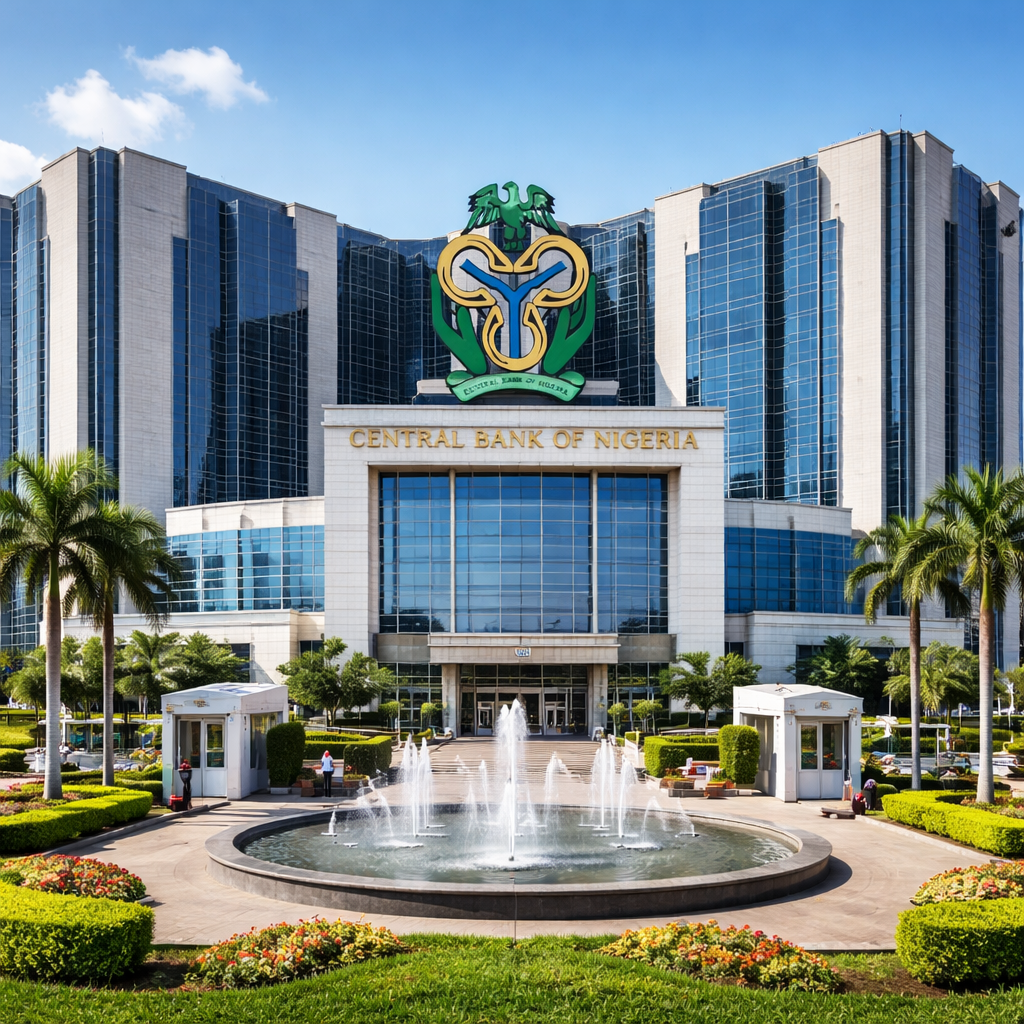
The Central Bank of Nigeria (CBN) has announced that 32 banks have met the new capital requirements under its ongoing recapitalisation programme ahead of the March 2026 deadline. CBN Governor Olayemi Cardoso stated that the progress has significantly strengthened the banking sector’s resilience, positioning it to support long-term investment and Nigeria’s ambition of achieving a $1 trillion economy.
The reforms were introduced in response to macroeconomic instability, including high inflation, exchange rate pressures, and excessive monetary financing. The CBN has since reduced Ways and Means advances sharply, tightened monetary policy, and cleared over $7 billion in foreign exchange backlog. These measures improved reserves, narrowed exchange rate disparities, and boosted investor confidence, contributing to a decline in inflation to 15.06 percent by February 2026.
Additional reforms in banking supervision, payments systems, and financial inclusion have further strengthened the financial ecosystem. While risks remain, including global volatility and domestic constraints, the CBN projects steady economic growth and remains committed to sustaining stability, transparency, and policy discipline.