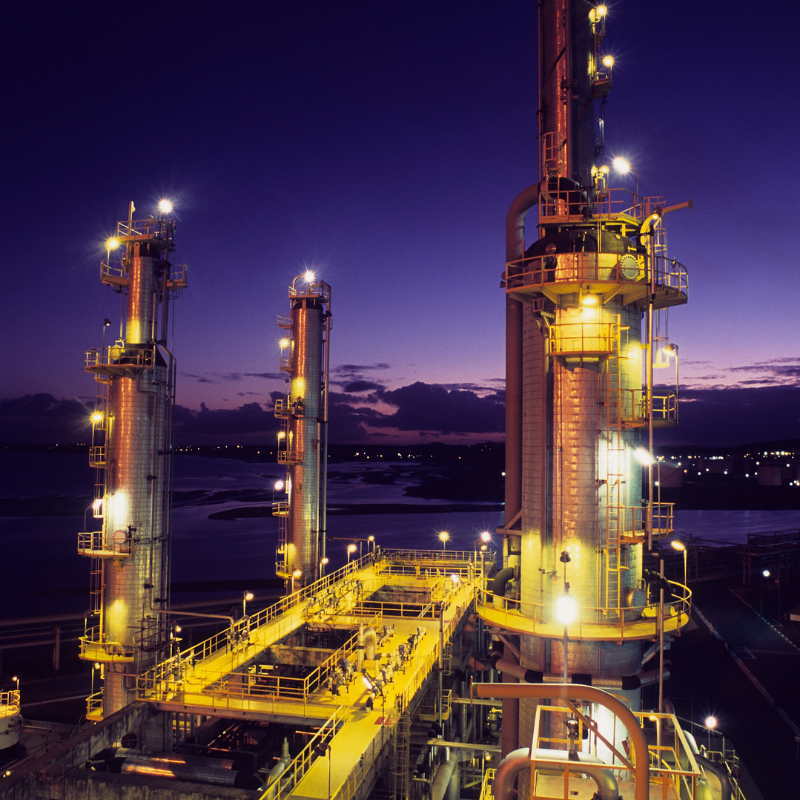
Nigeria’s long-standing ambition to achieve fuel self-sufficiency is under strain, as both crude and refined petroleum imports surged in the first half of 2025. Despite the operationalisation of the 650,000 bpd Dangote Refinery, the country spent ₦4.06 trillion on petrol imports from January to June, while Dangote itself imported 60 million barrels of crude due to supply shortfalls.
According to the National Bureau of Statistics (NBS), Q2 2025 petrol imports hit ₦2.3 trillion, up from ₦1.76 trillion in Q1. Dangote Group confirmed its refinery now imports 9–10 million barrels of crude monthly from the US and other suppliers. At the same time, mineral fuels dominated Nigeria’s import bill, accounting for ₦4.42 trillion or 28.95% of total imports, underscoring the country’s persistent reliance on external markets.
The paradox of a crude-rich nation importing both oil and fuel persists, weakening hopes that the Dangote refinery would swiftly end dependence on imports. Domestic crude allocation remains inconsistent as NNPC prioritises foreign exchange–yielding exports, forcing Dangote to source abroad. With OPEC output slipping to 1.43 mbpd in August, below quota, production challenges further compound the crisis. Unless domestic supply bottlenecks are resolved and port congestion eased, Nigeria risks continued capital flight and delayed energy security gains.