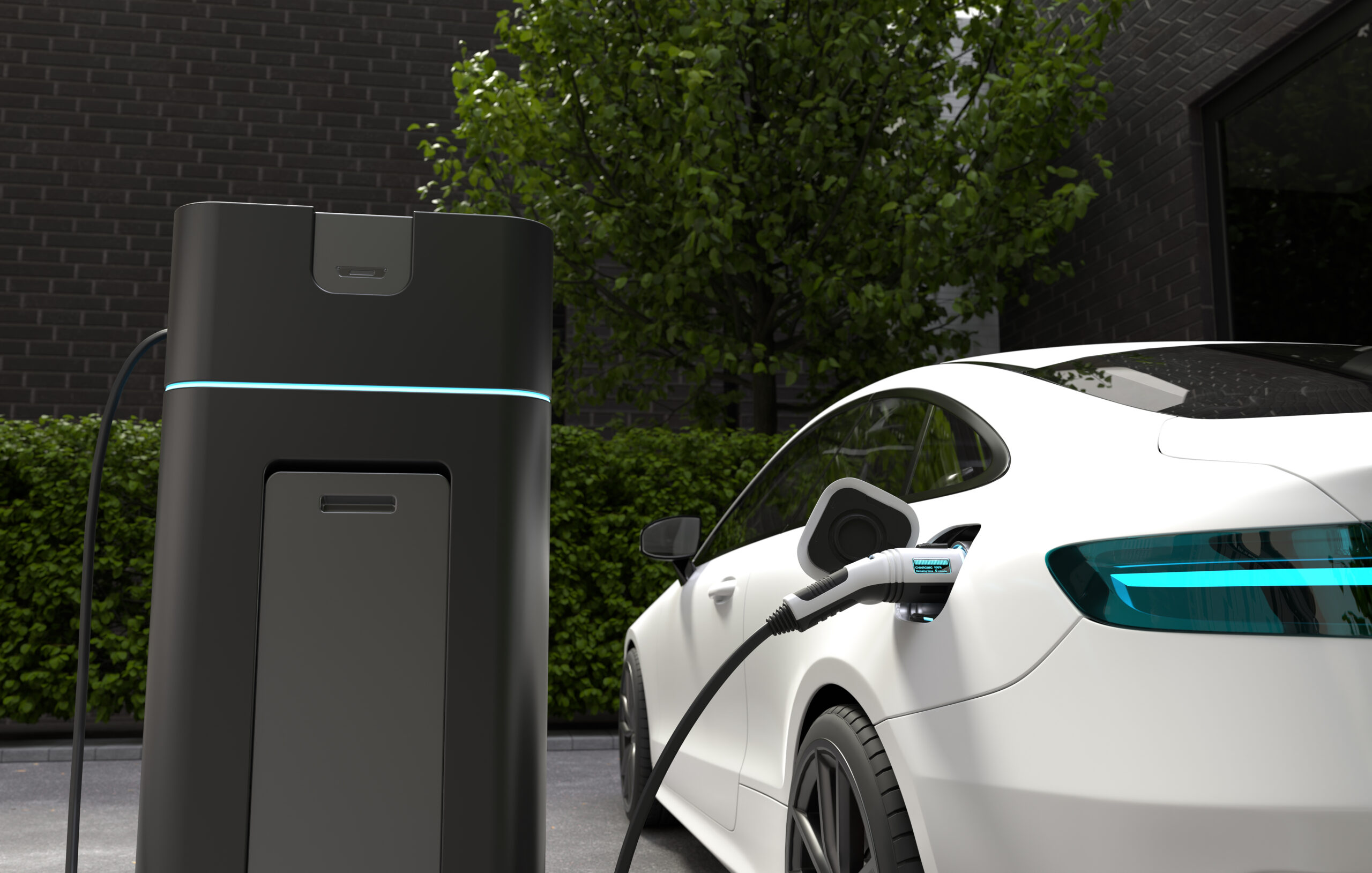
Kenya plans to roll out new tax incentives to speed up the adoption of electric vehicles under its National Electric Mobility Policy, aligning the transport sector with climate commitments. Transport Cabinet Secretary Davis Chirchir said the strategy aims to cut emissions, reduce reliance on imported fossil fuels, and stimulate local manufacturing and job creation. New measures include exemptions from value added tax and excise duties starting in July, alongside reduced stamp taxes for charging stations from 2027.
The government is building on earlier incentives such as zero VAT on electric buses, motorcycles, bicycles, and lithium-ion batteries, and lower excise duties on selected EVs. It targets the deployment of 3,000 electric vehicles across government ministries by the end of next year. EV registrations have surged to 24,754 in 2025 from just 796 in 2022, driven mainly by urban adoption of electric motorcycles and buses.
Kenya has pledged to cut greenhouse gas emissions by 32 percent by 2030, with transport a major focus. While sales of electric vehicles are projected to match fossil fuel vehicles by 2042, the transition poses fiscal risks. Authorities are assessing alternatives such as road use charges to offset declining fuel tax revenues.